After consuming large meals or spicy food, many people have a burning feeling in their chest. This soreness is typically written off as just acidity. However, these symptoms may point to a more serious illness called gastroesophageal reflux disease (GERD) if they become severe, frequent, or chronic.
Despite their close relationship, acidity and GERD are not the same. Patients can seek prompt treatment, avoid complications, and enhance their quality of life by being aware of the differences. Our skilled gastrointestinal team at Assure Multispeciality Hospital in Narasaraopeta offers precise diagnosis and cutting-edge treatment for digestive illnesses and acid reflux disorders.
What Is Acidity?
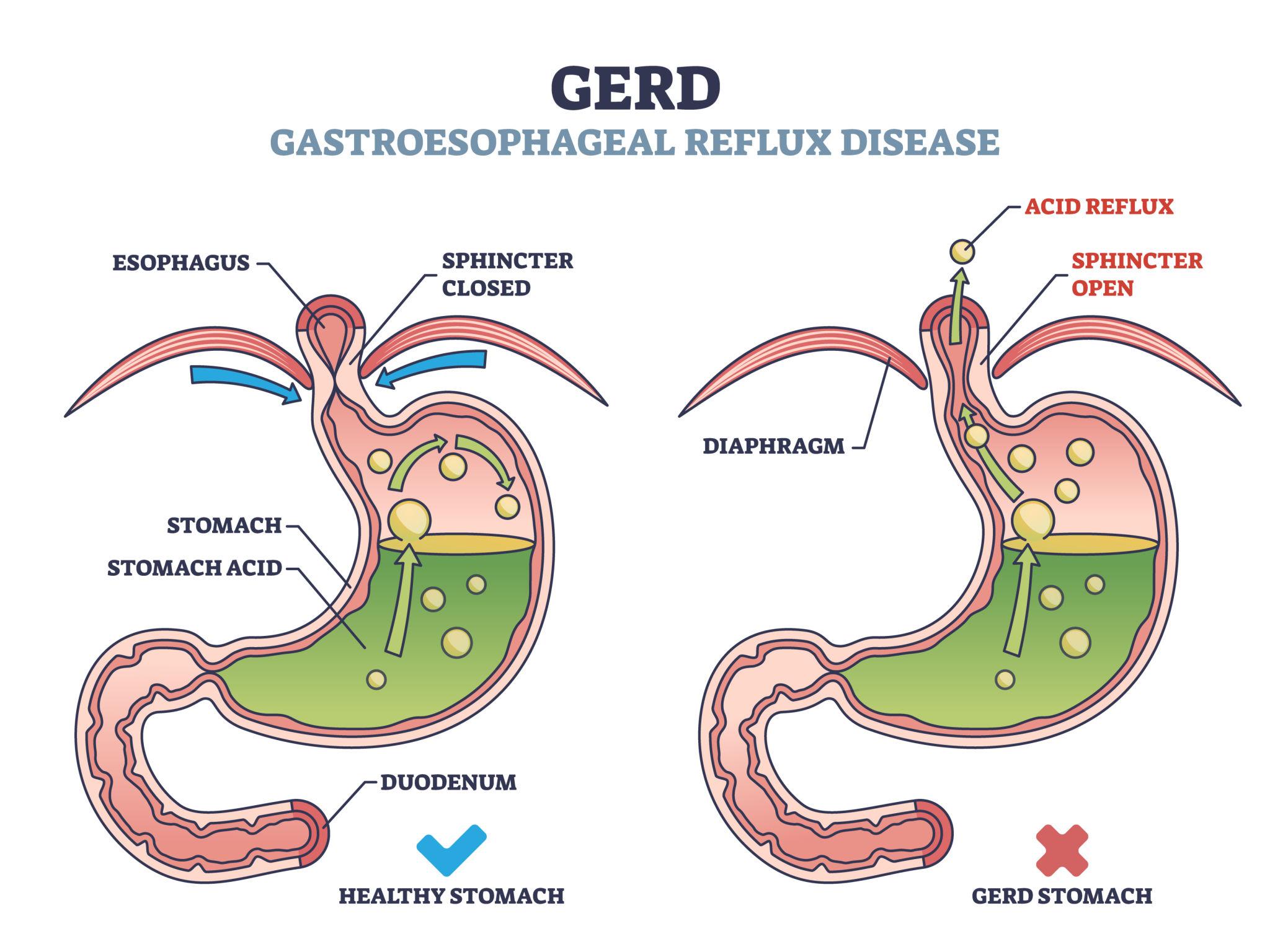
The term “acidity” describes the brief rise of stomach acid that irritates the esophagus. It usually happens after consuming foods that are acidic, greasy, or spicy. Acidity can also be brought on by stress, overeating, irregular mealtimes, and lying down just after eating.
Fortunately, short-term drugs or easy lifestyle modifications frequently improve acidity. The symptoms usually go away in a few hours for most people.
Common Symptoms of Acidity
• A sour sensation in the mouth
Mild discomfort in the stomach
• A brief bloating
• Burping
• Dyspepsia following meals Recurrent symptoms should never be disregarded, even when occasional acidity is frequent.
What Is GERD?
A long-term digestive condition called gastroesophageal reflux disease (GERD) causes stomach acid to often reflux back into the esophagus. This occurs as a result of weakness or improper closure of the Lower Esophageal Sphincter (LES), a muscle valve between the stomach and esophagus.
The lining of the esophagus is thus harmed by recurrent contact to stomach acid. Serious side effects, including as ulcers, esophageal constriction, persistent inflammation, and precancerous alterations, can result from untreated GERD. In contrast to sporadic acidity, GERD necessitates long-term care and medical assessment.
Acidity vs GERD: Key Differences
| Feature | Acidity | GERD |
| Nature | Temporary digestive problem | Chronic digestive disease |
| Frequency | Occasional | Occurs frequently (more than twice a week) |
| Cause | Increased stomach acid after certain foods | Weak lower esophageal sphincter causing acid reflux |
| Duration | Short-term | Long-lasting or recurring |
| Treatment | Lifestyle changes and antacids | Medical treatment with long-term management |
| Complications | Rare | Can damage the esophagus if untreated |
Causes of Acidity
The production of stomach acid can be increased by a number of daily behaviors. Among them are:
• Consuming spicy meals
• Fried or greasy foods
• Too much coffee or tea
• Carbonated drinks
• Drinking alcohol
• Smoking
Stress on an emotional level
• Missing meals
• Consuming too much food
• Going to bed right away after eating Fortunately, symptoms are frequently greatly reduced by avoiding these triggers.
Causes of GERD
Acid reflux happens repeatedly over time, leading to the development of GERD. This disorder is caused by a number of lifestyle and medical factors.
Among them are:
• The lower esophageal sphincter (LES) is weak.
• Being overweight
• Being pregnant
A hiatal hernia
• Smoking
• Some drugs
• A delayed emptying of the stomach
• Too many foods high in fat
• Persistent overindulgence in food Additionally, in certain people, untreated acidity can progressively develop into GERD.
Symptoms of GERD
GERD symptoms are usually more persistent than acidity and may interfere with daily activities.
Typical symptoms and indicators include of:
• Frequent episodes of heartburn
• Acid regurgitation
• Chest pain following a meal
• Having difficulty swallowing
• A chronic sore throat
• An ongoing cough
• A raspy voice
• The feeling of food getting stuck
• Bad breath
• Sleep disruption caused by acid reflux If these symptoms occur more than once a week, a medical evaluation is strongly recommended.
Who Is at Higher Risk of GERD?
Chronic acid reflux is more likely to occur in certain people.
Among the risk factors are:
• Individuals over 40
• People who are overweight
• Those who smoke
• Women who are expecting
Individuals who have diabetes
Individuals who have a hiatal hernia
• People who eat a lot of fatty meals
• People who lead sedentary lives Early detection of these risk factors can help stop the advancement of the illness.
How Is GERD Diagnosed?
Experts at Assure Multispeciality Hospital in Narasaraopeta thoroughly assess symptoms before ordering relevant testing.
Diagnostic examinations could consist of:
• A clinical assessment
• Endoscopy of the Upper GI
• 24-hour pH monitoring
• Manometry of the esophagus
• Research on barium consumption These tests aid in assessing the degree of acid reflux and directing individualized therapy.
Acidity Treatment
Conservative control frequently works effectively for simple acidity.
Among the possible treatments are:
• Antacids
• Drugs that lower acidity
• Consuming fewer meals
• Steer clear of trigger foods
• Consuming enough water
• Keeping up a healthy diet
• Steer clear of late-night meals The majority of patients get recovery quickly.
Treatment for GERD
Extensive treatment is necessary for GERD, depending on how severe the symptoms are.
Management may involve:
• Proton pump inhibitors, or PPIs
• H2 receptor blockers
• Modifications to lifestyle
• Weight loss
• Dietary recommendations
• Quitting smoking
• Treatment of associated diseases
In severe or drug-resistant cases, minimally invasive anti-reflux surgery may be investigated.
Lifestyle Tips to Prevent Acid Reflux
Acidity and GERD can be avoided in large part by adopting healthy daily practices. Observe these suggestions:
• After eating, stay upright for at least three hours.
• Steer clear of fried, oily, and spicy foods.
• Cut back on caffeine.
• Give up smoking. Steer clear of booze.
• Engage in regular exercise.
• When you’re sleeping, raise the head of the bed. • Use relaxation techniques to manage stress. Acid reflux episodes can be considerably decreased with even minor lifestyle adjustments.
Possible Complications of Untreated GERD
Ignoring chronic acid reflux might result in long-term health issues.
Possible issues consist of:
• Esophagitis
• Ulcers in the esophagus
Strictures in the esophagus
Barrett’s esophagus
• A higher chance of esophageal cancer
• Persistent coughing
• Erosion of dental enamel
• Disruptions to sleep Early diagnosis is still the best course of action.
Why Choose Assure Multispeciality Hospital, Narasaraopeta?
At Assure Multispeciality Hospital, patients receive comprehensive digestive care using state-of-the-art diagnostic equipment and evidence-based treatment regimens.
Among the services we provide are:
• Seeing a gastroenterologist
• Advanced endoscopic services
• Accurate intestinal problem diagnosis
• Customized treatment plans
• Modern diagnostic instruments
• Compassionate, patient-centered care
• Prolonged observation for chronic intestinal conditions Our goal is to help each patient get sustained relief while preventing future problems.
Conclusion
Although acidity and GERD may produce similar symptoms, they differ significantly in severity, duration, and long-term health impact. Occasional acidity is usually temporary and improves with simple lifestyle changes. In contrast, GERD is a chronic condition that requires proper medical evaluation and ongoing management. Therefore, anyone experiencing frequent heartburn, acid reflux, or swallowing difficulties should not delay seeking professional care. Early diagnosis not only relieves symptoms but also reduces the risk of serious complications, ensuring better digestive health and an improved quality of life.