Seizures and Epilepsy: Understanding the Difference and When to Seek Medical Help
Assure Multispeciality Hospital, Narasaraopeta
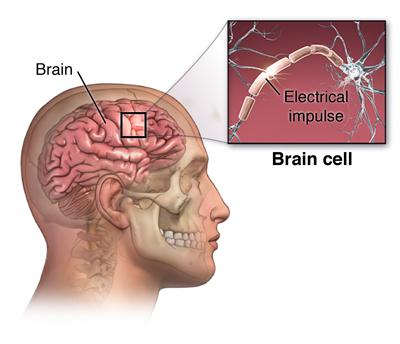
One of the body’s most intricate organs is the human brain. It regulates all of the main processes that keep us alive, including movement, thinking, emotions, and memory. The brain uses billions of nerve cells called neurons, which exchange electrical signals, to carry out these functions effectively.
These electrical signals often move in a balanced and orderly fashion. On the other hand, aberrant electrical activity in the brain can cause a seizure and interfere with regular brain function.
It’s critical to comprehend seizures and how they relate to epilepsy because prompt diagnosis and treatment can greatly enhance a patient’s quality of life.
What Is a Seizure?
A seizure is a brief, abrupt disruption in the electrical activity of the brain. The way a person moves, acts, feels, or reacts to their environment can all be impacted by this aberrant behavior.
While some people may suffer involuntary bodily motions, muscle rigidity, or momentary unconsciousness, others may have moderate episodes of gazing.
After the incident, the victim frequently feels disoriented or exhausted.
How Does a Seizure Occur?
To regulate movement, thoughts, emotions, and physiological functions, the human brain uses a sophisticated network of nerve cells called neurons that constantly exchange chemical and electrical messages. These statements are usually balanced and well-structured.
Depending on where the aberrant electrical activity starts and how far it travels across the brain, a seizure may cause a number of symptoms.
The location of the aberrant brain activity determines the symptoms since different parts of the brain control different functions.
Level of electrical disruption: The symptoms may be more obvious if there is greater activity.
A seizure might last anywhere from a few seconds to many minutes.
Individual neurological condition: Seizure features can be influenced by age, general brain health, and underlying medical disorders.
Common Symptoms of Seizures
Individual differences exist in the symptoms of seizures. Among the most typical indicators are:
• Abrupt periods of intense staring
• Uncontrollably jerking the arms or legs
• Stiffness in the muscles
• A brief period of bewilderment
• Diminished consciousness
• Unexpected falls
• Odd feelings, such tingling or numbness
• A momentary loss of consciousness
An accurate diagnosis requires a professional neurological evaluation because symptoms vary greatly.
Seizure vs. Epilepsy: What Is the Difference?
It is commonly believed that a seizure automatically indicates the presence of epilepsy; however, these terms should not be used interchangeably.
A seizure is defined as a single event that is caused by abnormal electrical activity in the brain. It can be triggered by various factors, including high fever, head injury, infections, metabolic disturbances, or the use of certain medications.
In contrast, epilepsy is recognized as a chronic neurological disorder in which a tendency to experience recurrent, unprovoked seizures is present. Therefore, while a seizure may occur as an isolated event due to an identifiable cause, epilepsy is diagnosed when repeated seizures are experienced without an immediate triggering factor.
A seizure is an event, whereas epilepsy is a medical condition that causes repeated seizures.
When Is a Diagnosis of Epilepsy Made?
When any of the following circumstances exist, neurologists may diagnose epilepsy:
1. At least two unprovoked seizures
An individual may be diagnosed with epilepsy if they have at least two unprovoked seizures that happen more than 24 hours apart.
2. A single seizure with a high chance of recurrence
If brain assessments show a high risk of subsequent seizures, a diagnosis may also be determined with a single seizure.
3. The existence of an identified epilepsy syndrome
A particular epilepsy syndrome may be confirmed by distinct clinical patterns and testing results.
Reasons for Seizures
Seizures can be brought on by a number of illnesses, including:
• Head trauma
• Infections of the brain
• A stroke
• Brain tumors
• Genetic variables
• Children with high fevers
Electrolyte abnormalities
• Low levels of blood sugar
• Lack of sleep
• Drinking too much alcohol
Finding the underlying problem is essential to choosing the best course of action.
When Should You Seek Medical Attention?
It is advised to seek medical attention right away if:
• The first time a seizure happens
• The seizure lasts more than five minutes.
• There is no recovery in between instances of multiple seizures.
• Breathing problems arise
• The seizure causes an injury.
• Recuperation takes a very long time.
Early neurological evaluation can guarantee proper therapy and help avoid problems.
Diagnosis and Treatment
Experienced professionals at Assure Multispeciality Hospital in Narasaraopeta assess seizure disorders using cutting-edge diagnostic techniques. These could include laboratory tests, brain imaging studies, electroencephalograms (EEGs), and neurological examinations.
The nature and cause of the seizure determine the course of treatment. Medication frequently effectively controls seizures, enabling people to live busy, healthy lives.
Conclusion
Seizures can have a variety of effects on people and are brought on by abrupt disruptions in the electrical activity of the brain. Epilepsy is a neurological condition marked by recurrent seizures, whereas a seizure is a single event.
Long-term results can be greatly impacted by early symptom recognition and prompt medical attention. See the experts at Assure Multispeciality Hospital in Narasaraopeta if you or a loved one has seizures for a precise diagnosis, thorough assessment, and individualized care.