A migraine is more than just a bad headache, therefore knowing the difference is crucial. It’s a neurological disorder that has to be properly diagnosed and treated. Dr. Chadalawada Anuhya regularly assesses patients at Assure Multispeciality Hospital in Narasaraopeta who have been suffering from migraines for years without a diagnosis because they think they are just regular headaches.
migraines and normal headaches, their symptoms, causes, triggers, treatment options, and when to seek medical attention.
What Is a Normal Headache?
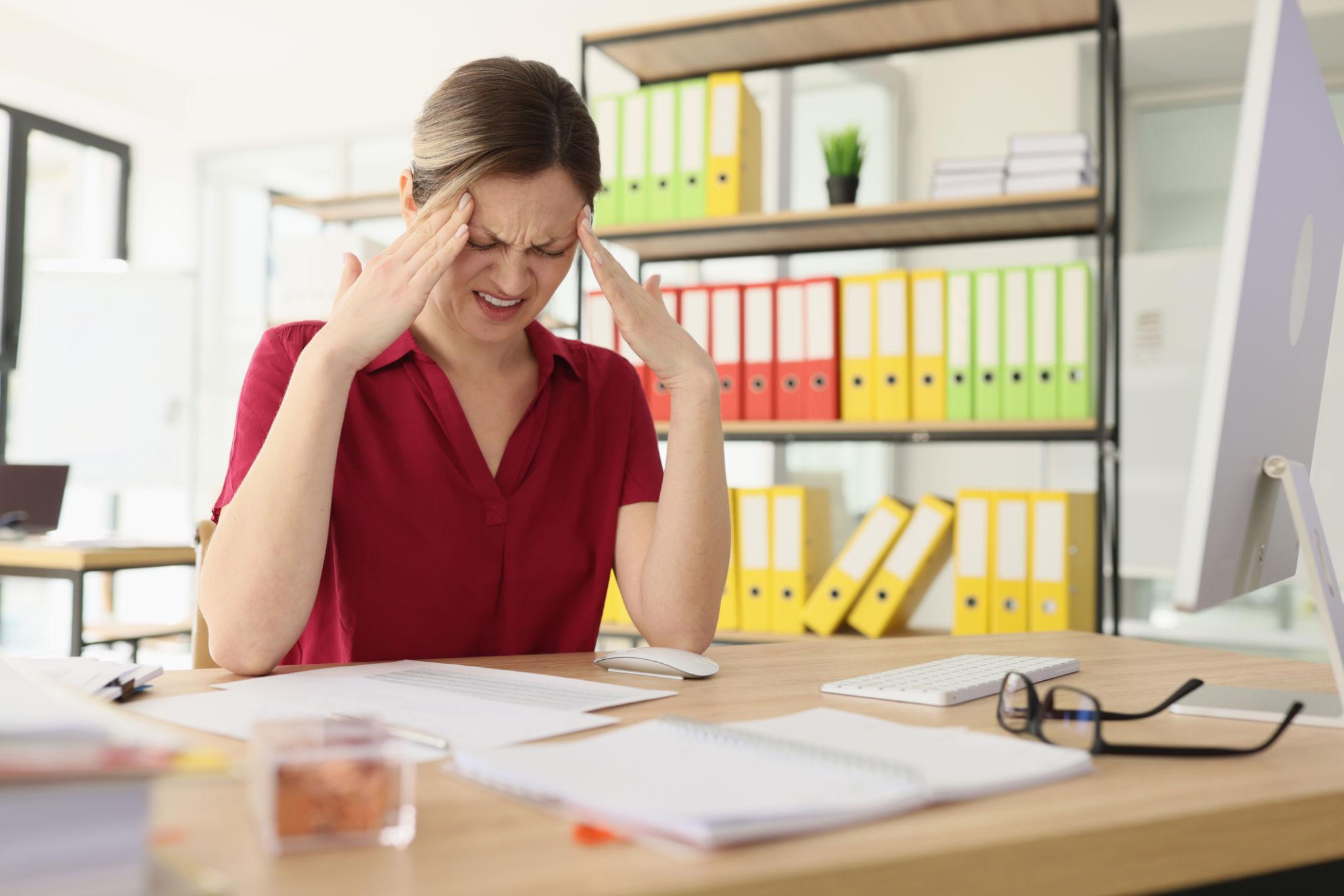
The most prevalent kind of headache is a regular headache, sometimes known as a tension headache. Physical strain, emotional stress, or lifestyle problems are typically the causes.
Typical Reasons for Typical Headaches
Anxiety and Stress
A dull, painful headache can result from the tightening of the neck, scalp, and shoulder muscles brought on by mental stress.
Bad Posture
The neck and upper back muscles can be strained by prolonged computer use, staring down at a cell phone, or improper sitting.
Dehydration
Headache symptoms might arise from inadequate fluid consumption, which lowers blood flow and oxygen supply to the brain.
Strain of the Eyes
Excessive strain on the eyes and surrounding muscles can result from prolonged screen usage without breaks.
Lack of Sleep
Headache development may be exacerbated by irregular sleep patterns or insufficient sleep.
Signs of a Typical Headache
• Pain that is mild to moderate
• A feeling of dullness, pressure, or tightness
• The head hurts on both sides.
• No severe nausea or vomiting
• Usually gets better with rest, water, or over-the-counter drugs.
• Little effect on day-to-day activities
Rarely do stress headaches need expert medical care; most go away in a few hours.
What Is a Migraine?
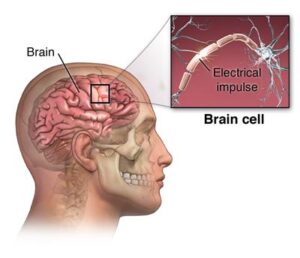
A migraine is a neurological condition that impacts the nerve system and brain. In contrast to a typical headache, migraines frequently cause more than just headache pain.
If left untreated, migraine attacks can be recurrent and have a major negative impact on a person’s quality of life.
Typical Migraine Symptoms
Painful Throbbing Head
Usually, migraine pain is intense and throbbing. Although it can sometimes affect both sides of the head, it usually only affects one.
Light and Sound Sensitivity
During an episode, strong odors, loud noises, and bright lights might exacerbate symptoms.
Vomiting and Nausea
In addition to headache discomfort, many migraineurs often have stomach issues.
Visual Disturbances (Aura)
Some people get warning symptoms prior to the onset of a headache. These could consist of:
• Lights that flash
• Zigzag designs
• Blind areas
• Tingling in the hands or face
• Short-term speech issues
Prolonged Duration
If left untreated, migraine attacks can persist anywhere from four to seventy-two hours.
Fatigue Following a Migraine
Many people suffer fatigue, difficulties focusing, and brain fog after the headache goes away.
Types of Migraine
Aura-Free Migraine
Moderate to severe headache pain is the hallmark of the symptoms, which start without any warning signals.
Aura-Related Migraine
Prior to the headache phase, patients have neurological symptoms. The most prevalent type of aura is visual disturbances.
Persistent Migraine
When headaches happen fifteen or more days a month for at least three months, the condition is known as chronic migraine. It frequently calls for ongoing care and observation.
Quiet Migraine
This kind is characterized by aura signs without the usual headache pain. Patients may not link their symptoms to migraines, making diagnosis difficult.
Typical Causes of Migraines
Each person has different triggers for migraines. Attack frequency can be decreased by recognizing and avoiding them.
Changes in Hormones
Hormone changes during menstruation, pregnancy, or menopause can raise the risk of migraines.
Some Foods and Drinks
Typical food triggers consist of:
• Chocolate
• Cheese that has aged
• Foods that have been processed
• Too much caffeine
• Synthetic sweeteners
Stress on an emotional level
One of the most commonly mentioned migraine factors is stress. Even after a stressful event has gone, some people still have migraines.
Disturbances in Sleep
Migraine attacks can be brought on by both too much and too little sleep.
Variations in the Weather
Migraine attacks may be caused by variations in temperature, humidity, and air pressure.
Overload of Sensations
For those who are vulnerable, migraines can be triggered by bright lights, loud noises, and strong smells.
When Should You Consult a Neurologist?
A medical assessment is advised if you encounter:
• Regular headaches that happen several times a week
• Headaches that make it difficult to function or go about daily tasks
• Severe migraine episodes that are followed by nausea or vomiting
• Neurological symptoms or visual abnormalities
• Increased frequency or severity of headaches
• Abrupt, intense headaches that come on suddenly
Long-term results can be enhanced and problems can be avoided with early detection.
Migraine Care at Assure Multispeciality Hospital, Narasaraopeta
At Assure Multispeciality Hospital, Narasaraopeta, comprehensive neurological care is available for patients experiencing migraines and chronic headaches. Advanced evaluation methods help identify the underlying causes and guide personalized treatment plans.
Dr. Chadalawada Anuhya, Consultant Neurologist (MBBS, MD, DM Neurology), specializes in the diagnosis and management of migraines, chronic headaches, epilepsy, stroke, neuropathies, and other neurological disorders. The goal is not only to relieve symptoms but also to improve long-term quality of life through effective preventive care and treatment.Conclusion
Regular headaches and migraines are very different conditions, despitetheir seeming similarities. While a common headache is usually temporary and under control, a migraine is a neurological disorder that can significantly impair daily activities. Recurrent bouts can be avoided and overall health can be improved with early symptom evaluation and expert medical assistance. If you experience frequent or severe headaches, consult the neurology staffat Assure Multispeciality Hospital in Narasaraopeta for a thorough evaluation and personalized treatment plan.